
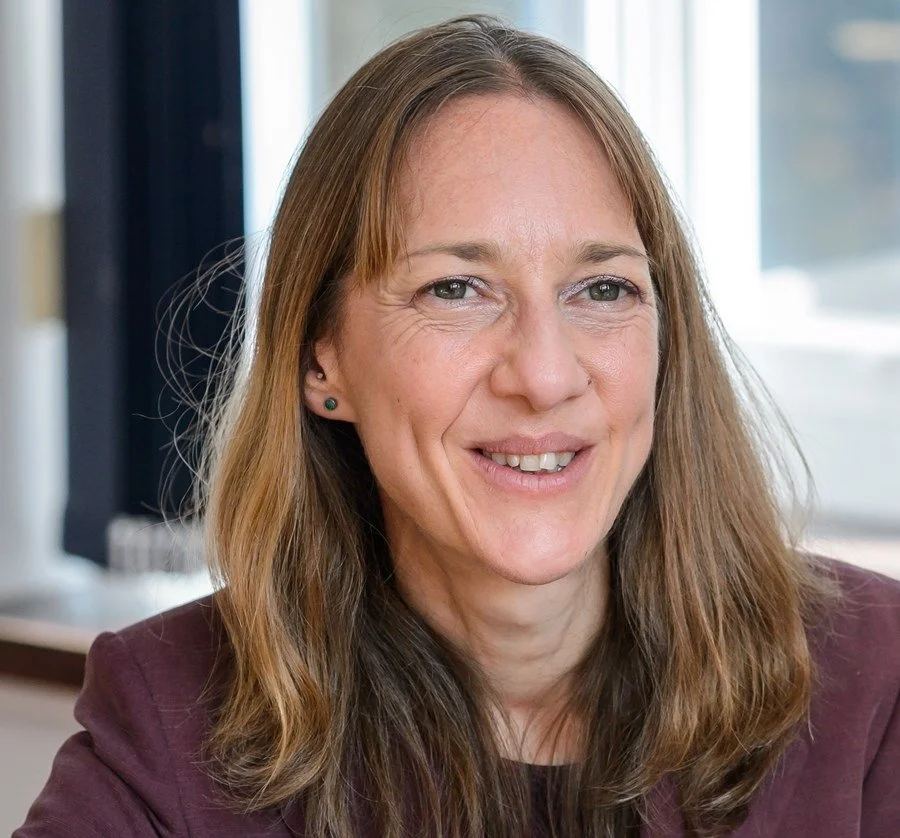
Joanne is a Clinical Psychologist who obtained her Doctorate in Clinical Psychology from the University of Plymouth. She specialises in working with a wide range of psychological difficulties, such as stress, anxiety, depression, health problems, trauma, phobias and life-changing injuries.
In 7 words or fewer, what do you do?
I help others thrive, not just survive.
Why did you become a psychologist?
I have always been fascinated by how people’s minds work and their motivations for their behaviour. I progressed from a less-usual background of a combination of science and English, which initially became a first career in journalism where I became increasingly interested in people stories about their mental health. When I discovered psychology existed as a career, I thought it was the perfect combination for me.
What do you enjoy most about your executive coaching work?
Seeing people grow, change and become more confident, especially those lightbulb moments where something clicks and their understanding of themselves transforms their approach to life.
What surprises you most about the people you coach?
You can never predict how they will respond to a session or idea, and sometimes the most simple intervention will be life-changing for them. I am always learning something new from my clients.
What has been the best career advice you have received?
Always listen and explore a client’s concerns with curiosity and flexibility. The client is first and foremost the expert on themselves.
In your opinion, what is the ‘next big thing’?
Due to the Covid-19 pandemic, I think the next big thing is addressing the longer-term psychological adjustment to many new ways of working that could become permanent, especially remote working and teams who are very geographically distanced and might only know one another via virtual meetings. Whilst this might work well for many businesses and employees, those who struggle with the lack of the structure of an office base, regular social interaction with colleagues, and find the homeworking setup difficult to achieve, could be at high risk of burnout from work-related stress, isolation and other issues. I think workplaces will have to invest more in supporting employees’ ongoing mental health as a preventative measure, rather than only when employees are in crisis and at risk of sickness absence.
What keeps you busy when you aren’t working?
I love hiking, especially by the sea, growing vegetables and travelling. I find being outside helps to recharge me, rebalances my body and keeps me emotionally healthy. And, it’s away from screens!